Effortless is a description of the result
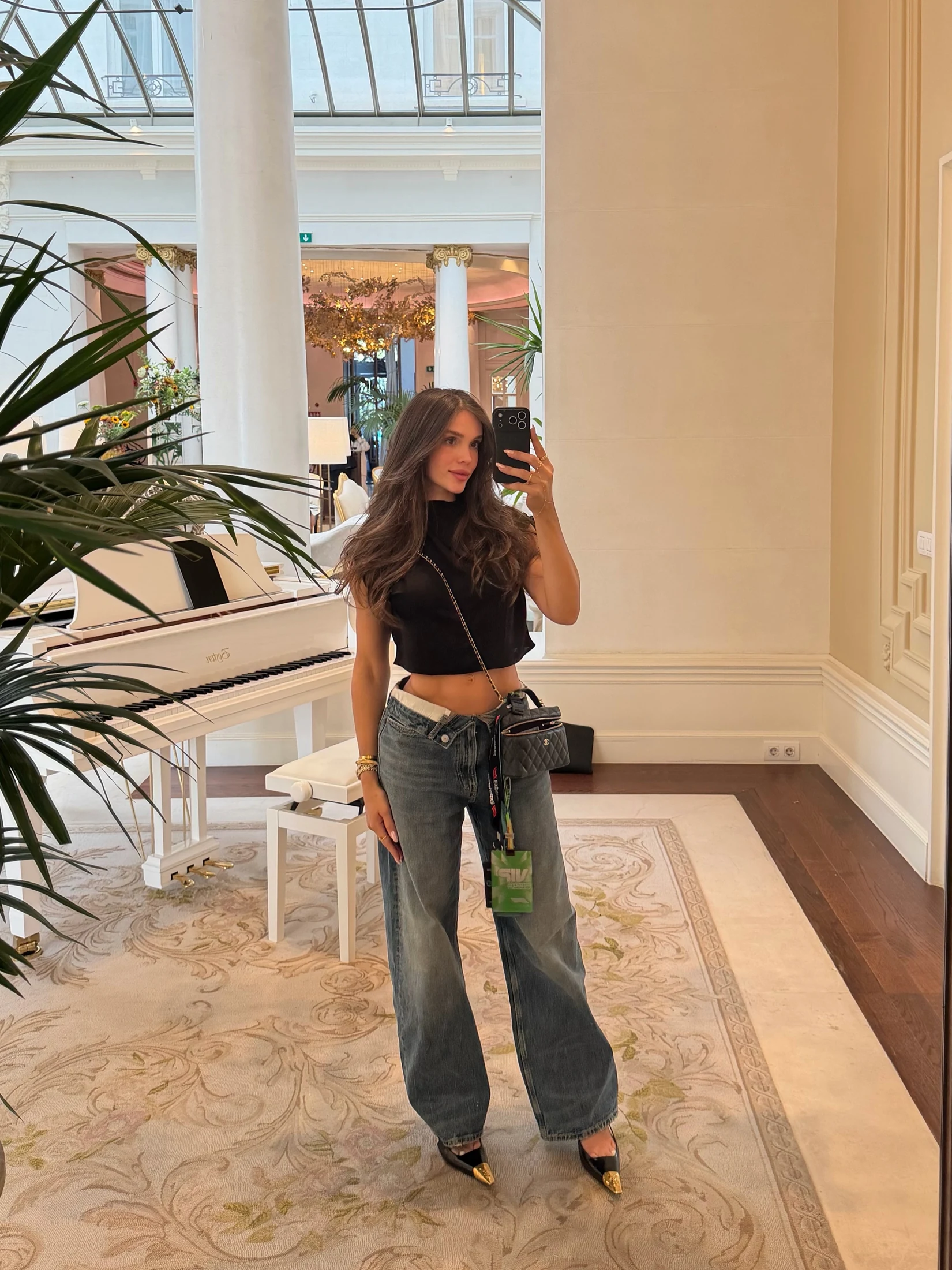
Imagine a short video built around walking into a room. Its visible action takes seconds. Preparing the clothing, finding usable light and choosing a frame may take much longer. Calling the result simple can be an accurate description of the scene and an inaccurate description of producing it.
There is nothing wrong with making technique unobtrusive. A well-edited sentence does not need to display every revision either. The problem is the extra conclusion that unobtrusive technique must not exist. An audience can enjoy a graceful result without imagining that it arrived without decisions.
This distinction also changes the conversation about natural style. Natural can describe an effect: comfortable movement, restrained styling or an unforced expression. It does not necessarily describe the absence of preparation. The effort and the ease can belong to the same piece of work.
The concept is older than creator culture
Chris Warhurst, Dennis Nickson, Anne Witz and Anne Marie Cullen’s 2000 research examines aesthetic labour in interactive service work in Glasgow. It describes how employers draw on and develop workers’ embodied qualities to produce a particular service style, with examples from hospitality and retail.
That employment setting matters. The study is not a survey of today’s independent creators, and it does not establish the time or cost of a particular photo shoot. Its useful contribution here is a question: when appearance becomes part of a commercial promise, how is the effort involved recognized?
Source: Warhurst, Nickson, Witz and Cullen (2000), Aesthetic labour in interactive service work
Separate the brief from the person’s worth
A creative brief may reasonably describe a color palette, a lighting style or clothing that fits a particular visual story. Those are decisions about a piece of work. They become more difficult when a temporary production choice is treated as a permanent standard the person should satisfy everywhere.
For example, asking whether a jacket works within a frame is a concrete creative question. Treating the person wearing it as a collection of defects to correct is not a more precise version of that question. It changes the object of evaluation from the image to the human being.
A respectful discussion can stay specific: what does the scene need, what choices are possible and what preparation has actually been requested? Precision allows criticism of the work without pretending that one campaign’s visual preference is a universal definition of professionalism or beauty.
Pleasure and obligation can look similar from outside
Someone may genuinely enjoy styling an outfit or experimenting with makeup. That enjoyment does not automatically erase the effort when the same activity becomes part of commissioned work. Conversely, enjoying a private beauty ritual does not mean it should always be understood through the language of employment.
The difference is not visible in the finished photograph. It depends partly on purpose, expectation and choice. Was the preparation wanted for its own sake? Was it necessary to fulfill a brief? Could the person decline it without failing an obligation? These questions describe the situation more accurately than calling every polished image either empowerment or exploitation.
Keeping those categories open avoids another mistake: assuming that recognizing work requires disliking it. Creative labor can be enjoyable and still deserve time, resources and credit. Enjoyment is not evidence that a task performed itself.
Make preparation visible in the working process
A hypothetical shoot plan could name wardrobe preparation, setup, recording, selection and revisions separately. That would not prescribe a particular rate or contract. It would simply make the work easier to discuss before an expectation of instant availability develops around the finished image.
Where collaborators are involved, accurate credits also matter. Styling, photography, editing and other contributions should not be invented, but neither should they disappear behind a vague claim that everything just happened naturally. Acknowledging actual contributors can coexist with a strong individual point of view.
This need not become a public inventory of every minute. The audience may only need the final image. The working relationship, however, benefits from a clearer account of what producing that image requires. Not all transparency belongs in a caption; some belongs in the planning conversation.
Admire the image without erasing its making
The idea of aesthetic labor is useful when it sharpens attention, not when it turns every beautiful thing into a complaint. It makes room to appreciate skill, question vague expectations and distinguish a visual choice from a judgment of someone’s value.
An effortless-looking result can still be worth making. Its apparent ease may be the point. We do not need to expose all of its machinery to recognize that someone made choices, spent time and brought a sensibility to the work. Beauty does not become less interesting when we admit that it can have a process.
The visible-result, visible-work check
Questions for discussing appearance-led creative work without making assumptions about any particular worker:
- Purpose: is this a personal preference, a production choice or a commercial requirement?
- Task: which preparation and revision steps are actually needed?
- Specificity: does feedback describe the work rather than rank the person?
- Resources: have time, materials and responsibilities been discussed?
- Credit: are the real contributions acknowledged accurately where appropriate?
Research and further reading
Research is included to distinguish evidence from editorial interpretation. This essay does not replace individualized professional advice.
