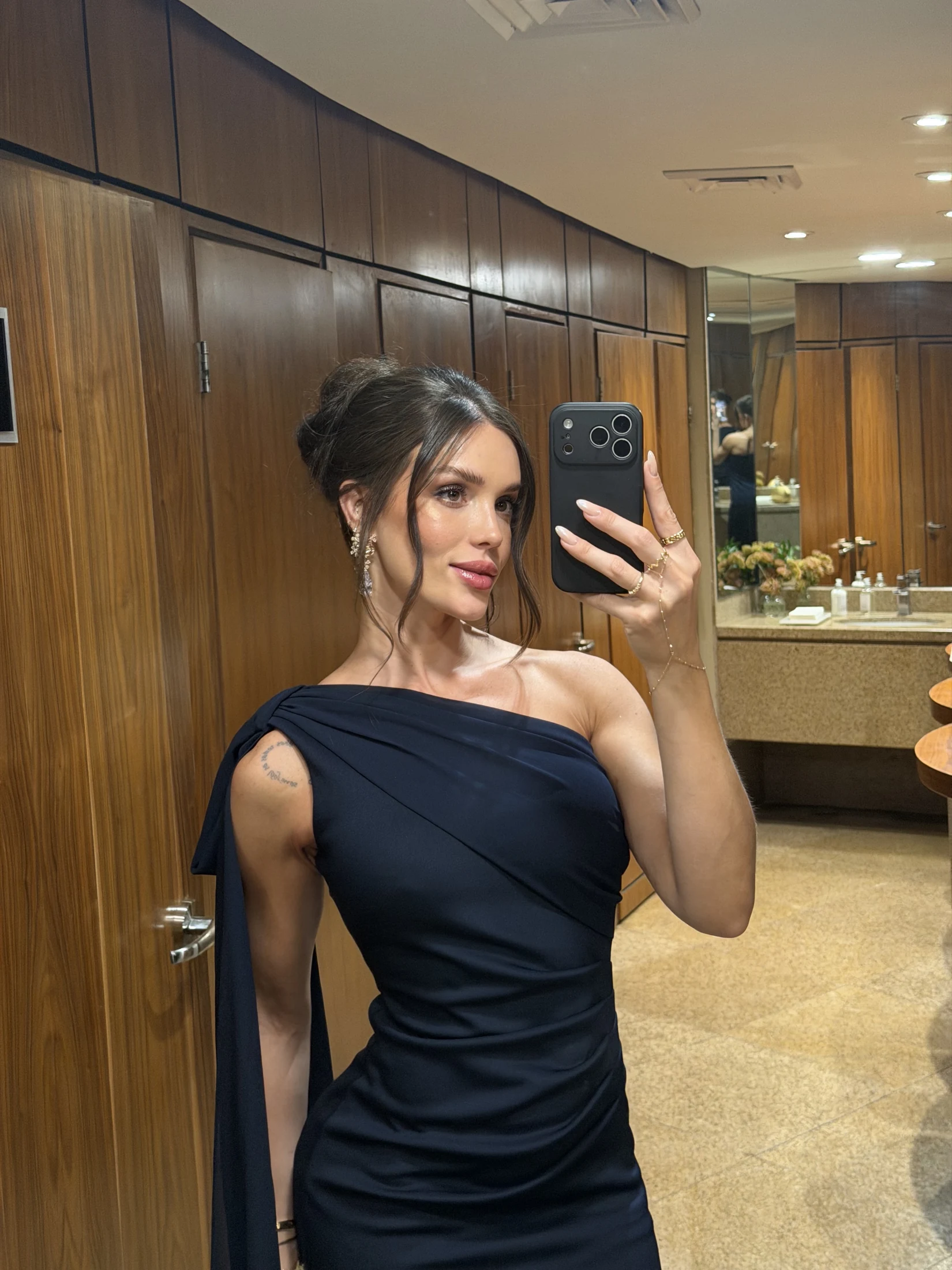
Curation is part of communication
A photograph chooses a frame. An essay chooses words. A conversation chooses which details matter now. Human communication has always been selective because no single expression can contain an entire life.
The ethical question is therefore not whether something was selected. It is whether the selection creates a materially false understanding of the person, event or claim.
Editing can clarify or distort
Editing clarifies when it removes noise, strengthens composition or protects private information without changing the essential truth. Editing distorts when it manufactures evidence, disguises paid persuasion, invents results or presents alteration as an unmodified record.
The same visual polish can serve either purpose. Authenticity depends less on aesthetic roughness than on honest context.
Privacy is compatible with authenticity
Being authentic online does not require publishing every struggle, relationship or private room. Compulsory disclosure is not honesty; it is another performance standard.
A boundary can be truthful: “This part of my life is not public.” The audience receives less information, but it is not deliberately misled about what that information means.
The test is alignment, not spontaneity
Research on social media distinguishes authentic from idealized self-expression and suggests that perceived alignment matters. These findings do not mean every authentic post produces well-being, nor that polished work is psychologically superior. They support a more careful point: expression and self can be meaningfully closer or farther apart.
A composed image can therefore be honest when it reflects a real aesthetic intention, identifies commercial context and avoids false claims. Craft does not cancel truth. It gives truth a form.
The alignment check
Before publishing a polished piece, separate four questions:
- Identity: does this expression contradict who I understand myself to be?
- Context: could a reasonable viewer misunderstand what happened or what is being claimed?
- Boundary: am I protecting privacy or fabricating a different reality?
- Disclosure: is any commercial, altered or sponsored context made clear?
Research and further reading
- Bailey et al., Authentic self-expression on social media and subjective well-being
- Jang, Bucy and Cho, Self-presentation style and subjective well-being
Research is included to distinguish evidence from editorial interpretation. This essay does not replace individualized professional advice.
